Man and van in Belsize Park

Our man and van in Belsize Park service is set up for practical moves that need careful loading, sensible route planning and a van sized to the job. It suits household items, single-room moves, furniture collections and smaller relocations where a full removal team would be more than is needed. We focus on safe transport, clear organisation and a straightforward handover so your belongings are moved with minimum disruption.
Typical work can include moving boxes, dismantled furniture, personal effects and items collected from shops, storage units or another home. The service can also support customers who only need help with the awkward part of a move, such as carrying heavier pieces down stairs or loading items that will not fit into a car. If you are comparing options, ask for a quotation based on the items and access rather than on guesswork.
For a clearer idea of what is included, the pages on man and van, moving van and moving truck explain the vehicle-led side of the work, while removal van and man with van show related options that may suit different load sizes. If you want to send an enquiry, you can contact us after you have reviewed the likely scope.
Household moves and smaller relocations
Household moving is often about matching the right level of help to the amount of furniture and the access at each property. A compact move may only need one van load and a careful sequence for lifting, while a fuller home move may involve several trips, more packing protection and a better plan for arranging large items inside the vehicle. Our approach is to keep the service flexible enough for both without overcomplicating the job.
When a move involves a flat, a terrace or a home with tighter access, the value of a planned load becomes more obvious. Items that are awkward to carry should be placed so they are secured early, and lighter boxes can be stacked around them without crushing anything delicate. For those comparing broader moving support, the pages for home moves, house movers and house removals help define the difference between partial help and a fuller removal service.
Useful preparation usually means making a simple list of the main items, checking whether anything needs to be dismantled and deciding what must be reached first at the destination. If you already know your preferred date, that helps with planning; if you do not, it is still worth requesting a quote so the work can be sized properly. A brief note about floors, stairs and parking can make the estimate more accurate.
Furniture, bulky items and careful loading

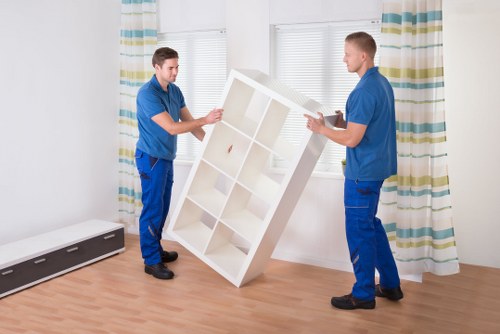
Many bookings are driven by one or two bulky items rather than a complete household shift. Sofas, wardrobes, beds, tables and cabinet units often need measured handling because their weight and shape affect how they can be carried and loaded. We aim to manage those items in a way that protects both the furniture and the property, using sensible lifting methods and steady packing inside the van.
Where a job includes furniture pickup or collection from more than one stop, timing and sequence matter as much as the vehicle itself. Items may need to be moved from a seller’s property, a storage site or a retail collection point before being combined into one route. Related pages such as furniture pick-up, removal services and removals cover this broader moving support and show how it sits alongside smaller local jobs.
Customers often find it helpful to separate fragile, heavy and easy-to-stack items before the van arrives. That makes it simpler to protect glass, mirrors and decorative pieces while keeping the load stable. A clear list also helps us decide whether the move needs extra protection materials, more than one run, or a different layout inside the vehicle. For mixed household loads, a well arranged van is often the difference between a smooth transfer and a cluttered one.
Office and business moves
Commercial customers usually need a move that is controlled, discreet and organised around access windows rather than around residential routines. Our man and van service can support smaller office removals, the movement of archive boxes, chairs, desks and compact equipment, and the transfer of items between workspaces. The focus is on getting business essentials from one place to another without turning the day into a drawn-out operation.
For many businesses, the key question is not simply how many items there are, but how the move must be sequenced. A reception desk, a small meeting room, a few office chairs and files may need different handling from a cluster of boxed supplies. The pages on office removals, office relocation services and commercial moves are useful if you are planning a move with equipment, documents or multi-room coordination.
What business customers usually organise first
It helps to confirm which items must travel together, whether anything is sensitive to movement and whether access will be through a loading bay, shared entrance or stairwell. If you have equipment that needs to be packed separately, say so early so the load can be arranged in the most practical order. Businesses often prefer a simple written outline before they request a quotation, especially when several departments or rooms are involved.
Packing support and preparation
Packing can make a noticeable difference to how efficiently a move runs, particularly when the load includes mixed items of different sizes. A strong box base, sensible weight distribution and clear labelling all help the move proceed in the right order. We can support packing and unpacking where needed, especially when a customer wants help turning a pile of loose belongings into something easier to carry and identify.
The service pages for packing and unpacking services, removal companies and removal company are useful if you are deciding how much support is appropriate for a particular job. Some customers only need assistance with the transport, while others benefit from added help with wrapping, grouping and unloading. The right balance depends on the amount of loose items, the time available and the level of care each object needs.
A simple approach is usually best. Keep important documents separate, place small fragile pieces in smaller boxes and avoid overfilling cartons with heavy contents. If an item needs dismantling, do that before the move so it can be handled more cleanly. When you ask for a quote, a short summary of the items and access is usually more useful than a long explanation, provided it includes the practical details that affect loading and delivery.
About Belsize Park
Belsize Park is a residential district in north-west London, set within the London Borough of Camden and commonly associated with the broader Hampstead area. The name is linked to the old manor of Belsize, and the area took shape during the nineteenth century as London expanded northwards. Its streets include a mix of Victorian and later housing, with mansion blocks, terraces and quieter residential roads giving the district a varied urban fabric. The Underground station, opened in 1907, sits on the Northern line and remains one of the area’s best-known transport reference points. Nearby, Haverstock Hill and Belsize Lane provide important local routes, while Primrose Hill and Hampstead Heath are both within easy reach for open-air recreation. The district also has a notable cultural history: Belsize Park has been home to artists, writers and performers, and the surrounding streets have long attracted residents looking for a settled neighbourhood close to central London. The architecture ranges from grander nineteenth-century villas to later infill development, and conservation areas help preserve much of the local character. Churches, small shops and café-fronted streets add everyday activity without changing the area’s generally residential feel. The result is a part of Camden with a strong sense of place, shaped by transport, greenery and a layered history rather than by one single landmark.
When the move is modest, it is often better to think in terms of a single van load and a neat plan for arrival rather than a large-scale removals operation. That is particularly relevant for students, sharers, downsizers and people collecting one or two pieces of furniture. The pages on man and van removals, man with a van and man with van removal sit close to this kind of work, especially where the emphasis is on transport, loading and direct delivery.
Before you request a quotation, it is sensible to note any access issues, such as narrow staircases, timed parking or a destination that requires unloading at street level. That helps keep the estimate realistic and reduces the chance of confusion on the day. If you are unsure whether your job is best treated as a small move, a collection or a fuller removal, the simplest route is to describe the items plainly and ask for the most suitable option.
Pricing factors and quotation details

Quotation requests are easier to assess when they focus on the factors that genuinely affect the work. These usually include the number and size of items, the number of stops, access at each address, stair carrying, the distance between collection and delivery, and whether any furniture must be dismantled or protected. A concise outline gives a more reliable starting point than a vague request for a price.
The pages on pricing and quotes, payment and security and insurance and safety are the most relevant references if you want to understand how a moving job may be costed and organised. They help explain the practical difference between a simple one-stop transfer and a more involved move with extra handling requirements. If your load includes items that are valuable or unusually awkward, mention that from the start so the quotation reflects the real task.
Information that helps the estimate
- the main items to be moved and any very heavy pieces
- collection and delivery points, including any additional stop
- stairs, lifts, parking limits or long carries
- whether the items are boxed, wrapped or still loose
- any deadlines, access windows or timing constraints
Safety, handling and transport care
Good moving practice is built on safe lifting, steady loading and a vehicle arranged so items do not shift unnecessarily in transit. That matters whether the job involves furniture, household boxes or a small amount of business equipment. We keep the emphasis on careful handling rather than speed for its own sake, because a controlled approach usually protects both the property and the items being moved.
Useful supporting pages include health and safety policy, recycling and sustainability and modern slavery statement. While these are not part of the move itself, they set out the standards and responsibilities that sit around the service. If you are deciding between different moving options, it can also help to review the more general pages on removals near me and removal truck hire so you can judge what level of support is appropriate.
For the day of the move, the most helpful preparation is often basic rather than elaborate: keep routes clear, separate anything that should not be stacked, and make sure the most important items are easy to identify. If there are delicate surfaces or furniture that scratches easily, say so in advance. Clear information usually leads to a better-organised collection and a cleaner unloading sequence.
Choosing the right moving support
Not every move needs the same scale of help. Some customers want a straightforward van and loading support, others need a few pieces collected from a shop, and some need a more structured removals arrangement that covers multiple rooms. The aim is to match the service to the workload so that the plan is practical, rather than forcing the job into a larger category than necessary.
If you are comparing related services, the pages for house removalists, house removals and removal company can help you separate fuller relocation work from a smaller vehicle-led move. Where the requirement is mainly transport, a man and van can be more suitable; where there are many items, access challenges or several rooms involved, a broader removals service may be easier to plan. The right choice depends on the items, not the label.
That is why a short, direct enquiry is often best. Tell us what is moving, where it is going and anything unusual about the access. From there, we can help shape a sensible option and you can decide whether to proceed. If you already know the load, request a quotation and include the practical details in one message.
Useful ways to plan your move

A good move starts with a simple sequence. First decide what is definitely going, then separate anything that needs extra protection, and finally check how the items will be moved from each room or storage point. That basic order helps keep the day organised and prevents last-minute confusion. It also makes it easier to compare quotes fairly because everyone is pricing the same workload.
When the job is more than a single collection but less than a full house move, there is often a practical middle ground. You may only need a load carried from one address, or one collection point and one delivery point, with no need for a wider removals package. If you are at the stage of choosing between options, the pages on removals van, removal van and removals offer a helpful route into the different service types available.
To keep things moving, send the item list in plain language, note any furniture that can be dismantled, and mention if there are stairs, parking restrictions or timed access. After that, the next sensible step is simply to ask for a quote and choose the service level that fits your load. If you are ready to make contact, the final step is straightforward: contact us.