Camden Council parking rules that affect Belsize Park removals
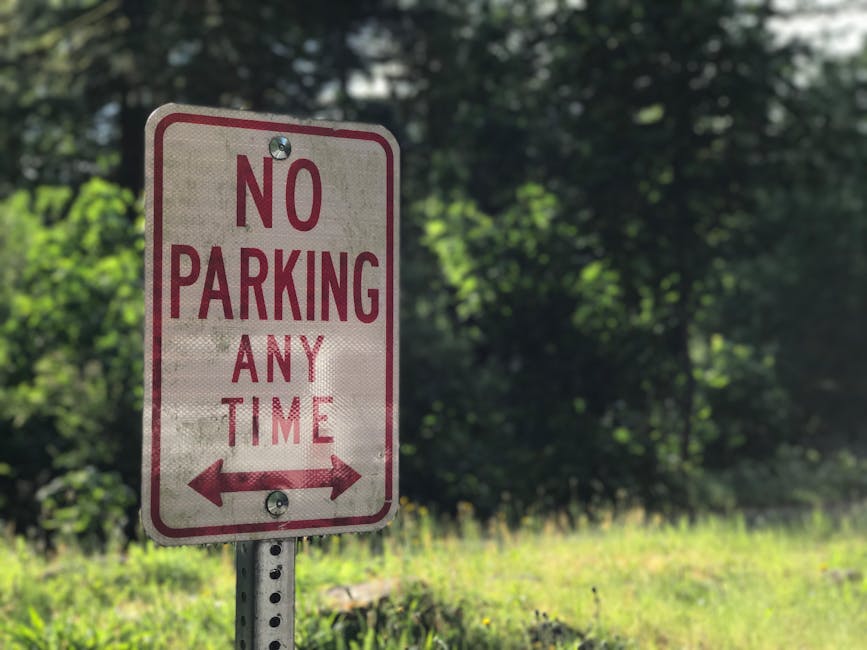
If you are moving in or out of Belsize Park, parking is rarely a small detail. It can decide whether the van is close to the front door, whether loading takes ten minutes or an hour, and whether your removal day feels calm or chaotic. Camden Council parking rules that affect Belsize Park removals are the bit many people overlook until the moving crew arrives and there is nowhere sensible to stop. Truth be told, that is usually when the stress starts.
This guide explains how the parking restrictions, loading expectations, permits, bay use and local street conditions can affect your move, what to check before the day, and how to plan so your removal vehicle can work efficiently. If you are booking a man and van service or arranging a bigger house move, the same basic principle applies: get the parking side right early and the rest is much easier.
Why Camden Council parking rules that affect Belsize Park removals Matters
Belsize Park is one of those London areas where the street scene changes from one corner to the next. You can have a quiet residential road with tight parking controls on one side, then a busier stretch or a narrower turning circle a few minutes away. For removals, that means parking is not just about convenience. It affects access, safety, timekeeping and, frankly, your mood on moving day.
When a removal van cannot stop nearby, the team may need to park further away and carry boxes down the street. That slows everything down, increases the chance of awkward lifts, and can create pressure in front of neighbours, traffic, and pedestrians. If it is raining, and it often is at just the wrong time, the whole thing feels twice as heavy.
Camden Council parking rules that affect Belsize Park removals also matter because they shape what kind of vehicle can stop where, for how long, and at what time. A small van might fit into a tighter gap than a larger removal truck, but if there is a single yellow line, a timed bay, a permit holder restriction, or a loading rule in force, size alone will not solve it.
Expert summary: the best removal plan for Belsize Park is not simply about choosing the right van. It is about matching the right vehicle, the right parking arrangement, and the right time window to the street you are actually using.
That is why local knowledge matters. A good mover will think about parking before the first box is lifted. It sounds obvious, but plenty of moves go off-track because someone assumed they could "just stop outside for a minute". In London, that is often the part that bites.
How Camden Council parking rules that affect Belsize Park removals Works
At a practical level, the rules affect three things: where the removal vehicle can stop, how long it can stay there, and whether the stop is allowed at all. In Belsize Park, you may encounter resident permit bays, shared-use bays, loading restrictions, yellow lines, red routes on busier roads nearby, and controlled parking times. Not every road has the same conditions, and that is exactly why a quick check before moving day pays off.
For removals, the main issue is loading and unloading. Councils usually distinguish between ordinary parking and short-term loading activity. But loading is not a free-for-all. It normally needs to be genuine, continuous and done with care. If a vehicle is left unattended for too long, or if loading looks casual rather than active, the stop can become a problem. That is the kind of thing nobody wants to argue about while lifting a sofa through a narrow hallway.
There is also the simple question of space. A removal van needs room not only to park but also to open doors, use a trolley and create a safe flow between property and vehicle. On a tight Belsize Park road, even a technically legal stop may not be a practical one. You may need to plan for temporary access, use a smaller moving van, or stagger the load so the vehicle can move in and out efficiently.
In some cases, the solution is to arrange a permit or suspension where appropriate. Whether that is needed depends on the street, the bay type and the council's process. The important thing is not to assume. Ask early, because last-minute parking surprises are the fastest way to turn a well-organised move into a scramble.
Key Benefits and Practical Advantages
Planning around local parking restrictions sounds boring until you see the benefits. Then it suddenly looks very smart indeed.
- Faster loading and unloading: the closer the van can get, the fewer steps every item takes.
- Lower physical strain: short carries reduce the risk of dropped items and awkward lifts.
- Less disruption to neighbours: no need for repeated trips across a crowded pavement or staircase.
- Better timing: parking delays can wreck a booking schedule, especially on busy weekdays.
- Reduced risk of fines or complaints: a sensible parking plan keeps the move more compliant and less confrontational.
- Cleaner handover: if you are moving out, getting the van away quickly can make inspection and key handover smoother.
There is also a hidden benefit: confidence. When the parking side is sorted, everyone works more calmly. The crew knows where to stand, you know what is happening, and the move feels managed rather than improvised. That matters more than people expect.
If you are comparing removal options, you may also find it helpful to look at the wider service fit. For example, a small flat move may suit a straightforward man with van arrangement, while a larger family house move may need a more structured house removals approach. Parking is often one of the factors that helps decide that.
Who This Is For and When It Makes Sense
This guidance is useful for anyone moving to, from, or within Belsize Park. That includes tenants, homeowners, landlords arranging a property turnover, students moving out of shared accommodation, and businesses relocating small offices or equipment. The same parking rules can affect all of them, just in slightly different ways.
It makes particular sense if your property is on a narrow residential street, near a junction, by a school, or on a road where parking is already tight by breakfast time. Early morning can be quieter, but not always. Mid-morning may be easier for access but busier for traffic. There is no magic slot that works everywhere, which is why local judgement helps.
If you are moving bulky furniture, appliances or office items, the need for close access becomes even more obvious. A short carry is worth its weight in gold. And if you are also using packing and unpacking services, the whole move becomes easier to stage because items can be organised around the vehicle access plan rather than the other way round.
For commercial moves, the parking issue can be more sensitive because there may be multiple staff, client footfall, or strict building access windows. In those cases, parking and loading are part of the relocation plan, not an afterthought. That is just the reality.
Step-by-Step Guidance
Here is a practical way to handle parking for a Belsize Park move without overcomplicating it.
- Check the street and bay type. Look at the road outside both addresses. Note whether it appears to be permit-only, shared-use, loading-only, or subject to waiting restrictions.
- Identify the best loading point. You may not be able to stop directly outside, but there is usually a smarter nearby spot. Sometimes the best option is around the corner, not in front.
- Measure the access realistically. Consider width, doorway position, steps, and whether the van can safely open doors without blocking the pavement.
- Plan the time window. Choose a moving slot that avoids school runs, rush periods, bin collections, or obvious street congestion where possible.
- Speak to the mover early. Tell them about any parking restrictions, narrow turns, low trees, or one-way sections. A good crew will think ahead and adjust the plan.
- Arrange permits or bay use if needed. If a restriction applies, handle it in advance rather than hoping for the best on the day.
- Stage items near the exit. The less time the van sits while people search for boxes, the better. Keep essentials grouped and labelled.
- Keep the path clear. Hallways, stairwells and front steps should be free of clutter. It sounds simple. It helps a lot.
One small tip that saves a lot of headache: do a walking visit the day before, if you can. Stand outside for two minutes and just look at the road. Where would a van actually sit? Where would people safely pass? That tiny reality check often reveals more than any amount of planning from the sofa.
Expert Tips for Better Results
In our experience, the best moves in Belsize Park are the ones where someone has thought like a street-level operator, not just a spreadsheet planner.
- Choose a vehicle that suits the road, not only the load. A slightly smaller van can sometimes beat a larger truck if space is limited.
- Use a buffer in your timing. London traffic and parking search time can eat minutes very quickly. Build a margin in.
- Keep the crew informed about building access. A lift that is small, slow or shared with residents changes the loading rhythm.
- Have one person watching the street. If the stop is tight, a spotter can help prevent awkward positioning and keep things safe.
- Protect high-risk items first. Mirrors, TVs, lamps and glass tabletops should be loaded in a calm sequence, not rushed because the bay timer is running.
Also, be a little suspicious of plans that sound too neat. If someone says parking will "probably be fine", ask what happens if it is not. That one question can save the day. A bit blunt, maybe, but useful.
If you are arranging a larger move, it can help to speak with a team that offers broader support such as removal services or removal company support, because those bookings are often easier to coordinate around access issues than a casual last-minute lift-and-go.
Common Mistakes to Avoid
The biggest mistakes are usually not dramatic. They are small assumptions that add up. And yes, they happen all the time.
- Assuming the van can stop outside the property. Many streets simply do not allow it for long enough, or at all.
- Ignoring time restrictions. A bay that works at 8:30am may be a different story by lunch.
- Leaving parking checks until the morning of the move. By then, options are tighter and stress is higher.
- Booking the wrong vehicle size. A larger van is not always better if the street cannot accommodate it.
- Forgetting building access limits. Some flats and managed blocks have rules that matter just as much as the street.
- Not warning the removal team about obstacles. Low branches, awkward kerbs, and tight corners are all worth mentioning.
One customer-style scenario keeps coming up in move planning discussions: everything is packed perfectly, the keys are ready, and then the van ends up half a street away because the closest space is permit-only. Suddenly every sofa is a long carry. Nobody enjoys that. Nobody.
Tools, Resources and Recommendations
You do not need a pile of complicated tools to plan this properly. A few practical checks are enough.
- Street view or a site walk: useful for understanding the road layout, corners and potential stopping points.
- Property measurements: doorway widths, stair turns and lift sizes matter more than people expect.
- Move inventory: a simple list of major items helps decide whether a compact van or larger vehicle is more suitable.
- Booking notes: write down parking constraints, access codes, floor level, and any time limits.
- Vehicle and insurance checks: make sure the moving team is set up for safe handling and appropriate cover. The page on insurance and safety is a sensible place to review that side of things.
If your move involves a lot of packing, you may also want to look at packing and unpacking services so that the removal day stays focused on access and transport rather than last-minute box filling. That can be especially helpful if the parking window is short.
For people comparing costs or trying to understand booking options, the pricing and quotes page is a practical next step. And if you are still weighing up whether you need a single helper, a van plus driver, or a fuller team, browsing the service range from removals to removals near me can help you match the level of support to the job.
Law, Compliance, Standards, or Best Practice
Parking and loading on public roads in London is governed by local restrictions, traffic orders and general road safety expectations. You do not need to become a parking law expert to move house, but you do need to follow the signs and handle loading responsibly. That means checking bay restrictions, keeping access safe for pedestrians, and not treating short-term stopping as if it were a free parking space.
Best practice is straightforward: verify the restriction in advance, keep loading active and sensible, avoid blocking crossings or dropped kerbs, and make sure the vehicle arrangement is appropriate for the street. If a permit, exemption, or special arrangement is required, deal with it before moving day rather than hoping to sort it out in the moment.
For households and businesses alike, the practical standard is simple: plan so the move causes the least disruption possible. That is good for neighbours, good for your crew, and good for the timetable. It is also the kind of thing that keeps a move from drifting into avoidable trouble.
Where there is uncertainty, it is better to ask than assume. This is one of those situations where a cautious approach is not overkill; it is just sensible. Let's face it, a removal van and a parking ticket are a bad pairing.
Options, Methods, or Comparison Table
Different parking approaches suit different kinds of Belsize Park removals. The table below shows the practical trade-offs.
| Approach | Best for | Advantages | Watch-outs |
|---|---|---|---|
| Park directly outside, if allowed | Small moves, short loading jobs | Fastest carry, least walking | Often unavailable in restricted streets |
| Use a nearby legal loading bay | Typical flat and house removals | Usually a good balance of convenience and compliance | May add a short carry or require timing discipline |
| Arrange a permit or special arrangement | Longer moves, managed streets, repeated loading | More certainty and less dispute | Needs advance planning and accurate details |
| Use a smaller van | Tight streets or limited stopping room | Easier manoeuvring and parking flexibility | May need more trips if the load is large |
There is no single winner here. The right choice depends on the property, the street and the amount you are moving. For a compact move, flexibility matters most. For a bigger one, certainty matters more. Simple as that, really.
Case Study or Real-World Example
Imagine a two-bedroom flat move in Belsize Park on a narrow residential street with limited on-street space. The household has a sofa, a bed frame, several boxes of books and a few fragile items. At first glance, it sounds easy enough. But the nearest bay is already occupied, and the street gets busier after school drop-off. If the mover arrives without a parking plan, the team may have to stop farther away and carry everything longer than expected.
Now compare that with a planned approach. The client checks the road the day before, spots a better loading point two doors down, confirms the likely loading window, and tells the removal team about a tight turn near the front entrance. The crew brings the right van size, keeps the load sequence tight, and stages fragile items near the exit first. The move still takes work, of course, but it feels orderly. No frantic repositioning. No guessing. No standing on the pavement saying, "It should be fine, shouldn't it?"
That difference is often the whole story. Same street, same property type, different outcome because parking was treated as part of the move rather than an afterthought.
Practical Checklist
Use this before moving day. It is basic, but it works.
- Confirm the parking restrictions on both streets.
- Identify the nearest practical loading point.
- Check whether a permit, bay use or special arrangement is needed.
- Tell the removal team about access codes, steps, lift size and narrow turns.
- Choose a vehicle size that suits the street as well as the load.
- Pack and label items so unloading is quick and tidy.
- Keep hallways, pavements and doorways clear.
- Allow a timing buffer for traffic or parking search time.
- Have one person ready to direct the vehicle if the space is tight.
- Double-check that the booking details match the actual property access.
If you tick off those points, you are already ahead of most move-day headaches. Small effort, big payoff. That's the honest version.
Get a free quote today and see how much you can save.
Conclusion
Camden Council parking rules that affect Belsize Park removals are not just background detail. They shape how quickly the van can load, how safely items are moved, and how calm the day feels overall. Once you understand the street layout, the restriction times and the loading practicalities, the move becomes much more predictable.
The best approach is simple: check early, plan realistically, and choose a removal setup that suits the road as well as the property. Do that, and you give yourself a much smoother start, fewer surprises, and a lot less pacing up and down the pavement with a worried look. Which, let's be honest, is no one's favourite moving-day accessory.
Move well, stay organised, and give yourself a little breathing room. That is usually enough to turn a stressful day into a manageable one.
Frequently Asked Questions
Do Camden Council parking rules affect every Belsize Park removal?
Yes, in practice they usually do. Even if the property itself is easy to access, the street outside may have bay restrictions, loading limits or time controls that affect where the van can stop.
Can a removal van stop outside my flat for loading?
Sometimes, but not always. It depends on the road markings, time of day and whether loading is allowed. Never assume the space will be available just because it looks empty.
Do I need a permit for a house move in Belsize Park?
It depends on the street and the type of parking restriction in place. Some moves may need advance permission or special arrangements, while others may only require careful timing and loading compliance.
What is the difference between parking and loading?
Parking usually means leaving a vehicle in a space for a period. Loading means stopping to actively move items in or out. Loading is often treated differently, but it still has to be genuine, safe and within local rules.
How early should I plan parking for a removal?
As early as possible. Ideally, check the road and discuss the access plan several days before the move. For busier streets or larger moves, earlier is better.
Is a smaller van better for narrow Belsize Park streets?
Often, yes. A smaller vehicle can be easier to position in tight streets, though it may need more trips. The right choice depends on the load and the access point.
What happens if the nearest bay is already full?
You may need to use a nearby legal stopping point, adjust the loading plan, or choose a different arrival time. This is why a backup option is so useful.
Can parking restrictions slow down my move?
Definitely. Extra walking distance, waiting for a legal space, or having to reposition the vehicle can all add time. That is why parking planning is such a big part of removals in London.
Are office moves affected by the same parking issues?
Yes. In fact, office moves can be even more sensitive because of business hours, shared entrances, delivery activity and building management rules. If you are relocating work equipment, plan parking carefully.
What should I tell my removal company before moving day?
Tell them about parking restrictions, the exact street layout, access steps, lift size, any height or width limits, and whether there are time windows to work around. The more accurate the notes, the smoother the day.
What if I am only moving a few items?
Even small moves can be affected by parking rules. A quick furniture pick-up or a partial household move may still need careful loading arrangements, especially in a restricted area.
Where can I find help with a Belsize Park move?
If you need practical moving support, start by looking at the available removals van and related service options, then choose the setup that best matches your street access and load size.